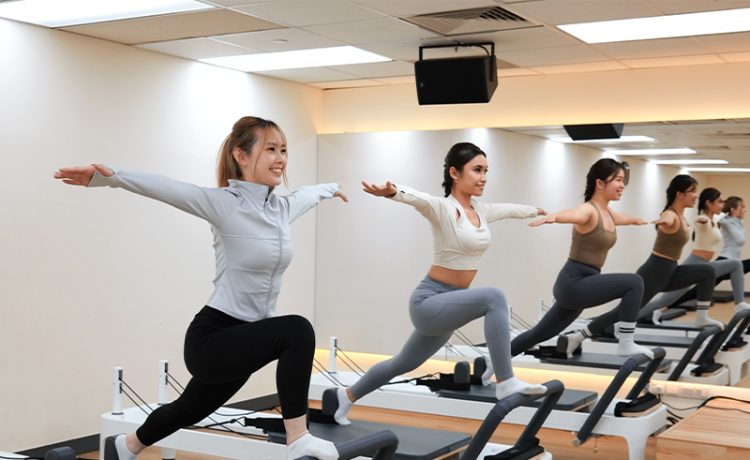
The relationship between ancient movement traditions and modern sports science has never been more productive than it is right now. Across elite athletic programmes, rehabilitation clinics, and high-performance training facilities, the integration of yoga with sports medicine frameworks is producing outcomes that neither discipline could achieve independently. Singapore sits at an interesting intersection of this development. Its world-class sports medicine infrastructure, its mature and diverse yoga Singapore community, and its population of high-achieving athletes and active professionals have created the conditions for a genuinely sophisticated integration of these two bodies of knowledge.
Understanding how this merger is happening, what it produces, and why Singapore is positioned particularly well to advance it requires looking at both the traditional foundations of yoga and the specific contributions that sports medicine brings to refining how those foundations are applied.
What Traditional Yoga Brings to the Sports Medicine Conversation
Traditional yoga is not a fitness system. It was not designed to optimise athletic performance, prevent sports injuries, or accelerate post-surgical rehabilitation. These are entirely modern applications of practices that were originally developed within specific philosophical and spiritual frameworks. Acknowledging this does not diminish the value of these modern applications. It simply clarifies what yoga actually offers when stripped of the performance context and examined on its own terms.
What yoga brings to sports medicine is several things that conventional sports science has historically undervalued:
Breath as a primary training variable: Traditional yoga has always treated the breath as the central object of attention and the primary regulatory mechanism of the practice. Modern sports science has increasingly validated this emphasis. Heart rate variability, which is directly influenced by breathing patterns, is now one of the most important metrics in elite athletic recovery monitoring. The pranayama traditions of yoga represent centuries of empirical refinement of breathing techniques that directly influence HRV, autonomic balance, and recovery quality.
Interoceptive training: The yogic emphasis on attending to internal bodily sensation, feeling the quality of a posture from the inside rather than achieving its external shape, is a form of interoceptive training that has specific performance implications. Athletes with higher interoceptive accuracy make better decisions about training load, recover more intelligently, and are better able to distinguish between productive discomfort and injury warning signals.
Connective tissue health: Traditional yoga’s approach to flexibility is fundamentally different from conventional stretching protocols. The emphasis on sustained holds, on breath-driven tissue release, and on working within the nervous system’s tolerance rather than forcing beyond it produces a different quality of tissue adaptation than static or ballistic stretching. Sports medicine has come to understand that connective tissue health, not just muscular strength and flexibility, is central to injury prevention and long-term athletic longevity.
Nervous system periodisation: Traditional yoga includes practices designed to activate, calm, or balance the nervous system depending on the practitioner’s state and needs. This matches sports medicine’s growing understanding that training adaptation requires not just physical stimulus but appropriate nervous system state management, including the ability to deliberately downregulate after high-intensity training.
How Sports Medicine Is Refining Yoga’s Application
The contribution of sports medicine to this integration is equally significant. It brings measurement, evidence standards, and clinical precision to an application context that has historically relied on tradition and subjective experience.
Sports medicine’s contribution includes:
Load management frameworks: Sports medicine provides the conceptual vocabulary of periodisation, progressive overload, and recovery management that allows yoga to be programmed intelligently within a broader training context rather than practised in isolation from it. A yoga practice designed to complement a marathon training block looks different from one designed to support a strength athlete in the off-season, and sports medicine provides the framework for making these distinctions precisely.
Injury-specific adaptation protocols: Sports medicine clinicians working with injured athletes need yoga adaptations that are precisely calibrated to specific injury presentations. This requires knowledge of tissue healing timelines, biomechanical contraindications, and load progression principles that traditional yoga teacher training does not provide. The collaboration between yoga teachers with therapeutic training and sports medicine clinicians is producing genuinely sophisticated injury-specific protocols that serve athletes far better than generic yoga instruction.
Outcome measurement: Sports medicine’s commitment to measurable outcomes is bringing rigour to yoga’s therapeutic claims. Range of motion, functional movement quality, pain scores, HRV, and cortisol levels can all be tracked before and after yoga interventions, providing the evidence base that healthcare systems and professional sports organisations require before integrating yoga into their standard protocols.
Singapore’s Specific Context
Singapore’s position in this integration is shaped by several factors that make the city particularly fertile ground for this work.
The Singapore Sports Institute and the National University Health System have both developed rehabilitation and performance support programmes that increasingly include yoga-based interventions alongside conventional sports medicine approaches. The concentration of high-level athletes preparing for regional and international competition in Singapore creates a consistent demand for evidence-based performance support that challenges yoga practitioners here to develop genuine clinical sophistication.
The corporate athletic population, highly competitive professionals who maintain serious recreational sport alongside demanding work schedules, represents a large and underserved market for integrated yoga-sports medicine approaches. These individuals carry the injury patterns of weekend warriors combined with the postural and stress profiles of sedentary office workers, and they need support that addresses both dimensions simultaneously.
Studios and teachers who have developed genuine competency in this integrated approach are increasingly working alongside sports medicine clinicians in a referral relationship that benefits both disciplines and, most importantly, the athletes and active individuals they serve together.
What Practitioners Should Look For
For athletes or seriously active individuals seeking yoga in Singapore with genuine sports performance or rehabilitation goals, the markers of appropriate expertise are worth knowing. Look for teachers who have completed training beyond standard yoga certification in areas including functional movement, anatomy, sports injury management, or therapeutic yoga. Seek out studios that have established relationships with sports medicine or physiotherapy clinicians. Prioritise programmes that involve individual assessment rather than one-size-fits-all class instruction. And look for teachers who speak the language of sports science fluently enough to communicate meaningfully with the other practitioners managing your athletic health.
Studios like Yoga Edition represent the direction that Singapore’s yoga industry is moving as it deepens its engagement with sports medicine principles, offering practitioners the evidence-informed, clinically aware approach that serious athletic and performance goals require.
The merger of traditional yoga and sports medicine in Singapore is not a compromise of either discipline. It is an enrichment of both, producing a practice that is more precisely applied, more measurably effective, and more genuinely useful for the specific health and performance needs of the people it serves.