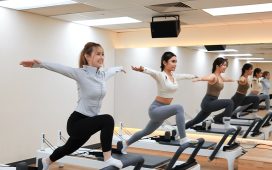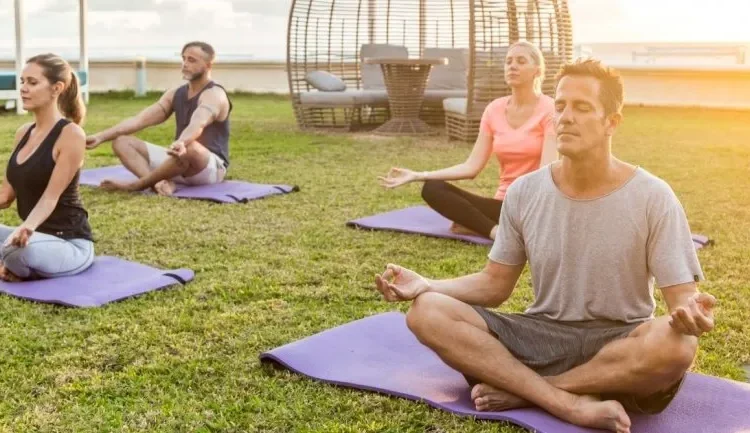
Modern lifestyles in Singapore can feel overwhelming, with fast-paced work, digital distractions, and health challenges such as rising stress levels and sedentary routines. Many individuals are turning to yoga Singapore as a sustainable way to strengthen their bodies, reduce stress, and support long-term immune health. Beyond flexibility and mindfulness, yoga plays a vital role in reinforcing the immune system, which is essential for overall wellness and disease prevention.
The Connection Between Yoga and Immunity
The immune system is our natural defence mechanism against infections and illnesses. When compromised, even minor stressors or seasonal changes can lead to fatigue, flu, or chronic conditions. Yoga supports immunity by:
-
Reducing stress hormones that weaken the body’s ability to fight infections.
-
Enhancing circulation, ensuring immune cells reach different parts of the body efficiently.
-
Supporting respiratory health, which is crucial in humid Singapore where respiratory issues are common.
-
Promoting better sleep patterns, allowing the body to recover and regenerate naturally.
Stress Reduction and Immune Balance
One of the biggest contributors to a weakened immune system is chronic stress. In Singapore’s competitive work culture, stress often translates to high cortisol levels, which suppress immune function.
Yoga combats this problem by:
-
Encouraging mindful breathing and relaxation techniques that calm the nervous system.
-
Activating the parasympathetic nervous system, allowing the body to switch from a “fight or flight” state to “rest and digest.”
-
Providing meditative practices that improve focus and lower anxiety.
Over time, consistent practice helps the body remain balanced even during periods of external pressure, which directly benefits immunity.
Yoga for Respiratory Strength
Respiratory infections and allergies are common in tropical climates due to changing humidity and exposure to allergens. Yoga places significant emphasis on breathwork, also known as pranayama, which strengthens lung capacity and oxygen intake. Practices like alternate nostril breathing, Kapalabhati, and deep diaphragmatic breathing can:
-
Improve oxygen supply to the bloodstream.
-
Support the health of the respiratory tract.
-
Reduce susceptibility to common colds and flu.
This aspect of yoga is especially relevant for Singaporeans dealing with air-conditioned environments and long working hours indoors.
Detoxification and Circulatory Health
The lymphatic system, which is responsible for detoxifying the body and transporting immune cells, benefits greatly from yoga. Poses that involve twisting, bending, and inverting help stimulate lymphatic flow and circulation. For instance:
-
Twists like Ardha Matsyendrasana (Seated Spinal Twist) aid digestion and detoxification.
-
Inversions such as Viparita Karani (Legs-Up-the-Wall Pose) improve blood flow back to the heart.
-
Dynamic flows like Sun Salutations help flush toxins and energise the body.
With regular practice, the body becomes more efficient at removing waste and protecting itself against illness.
Building Physical Resilience
Beyond immunity, yoga strengthens muscles and joints, which enhances overall resilience. This is crucial in Singapore where many lead sedentary lifestyles. By maintaining physical strength, balance, and flexibility, yoga reduces the risk of injuries and improves the body’s ability to recover from illnesses.
Key benefits include:
-
Improved posture and spinal health, reducing chronic aches.
-
Enhanced digestive function, supporting nutrient absorption essential for immune strength.
-
Greater balance and coordination, especially helpful for seniors aiming to prevent falls.
Yoga and Sleep Quality
Quality sleep is often underestimated in its role for immunity. Poor sleep disrupts hormone regulation, weakens defences, and increases stress levels. Evening yoga routines with calming poses such as forward bends, gentle twists, and restorative postures help:
-
Relax the nervous system.
-
Lower heart rate and blood pressure.
-
Improve deep sleep cycles.
Better sleep leads to enhanced energy and a stronger natural defence system.
Nutrition, Lifestyle, and Yoga
While yoga offers profound benefits for immunity, pairing it with a healthy diet and lifestyle amplifies its impact. Practitioners in Singapore often find that once they commit to yoga, they naturally gravitate towards:
-
More plant-based meals rich in vitamins and antioxidants.
-
Hydration habits that complement detoxification.
-
Mindful eating practices that prevent overindulgence.
The lifestyle transformation yoga inspires extends well beyond the mat, creating a holistic system of wellness.
The Role of Community in Health
Practising yoga within a supportive community also contributes to immune health. Positive social connections reduce loneliness, which is linked to poor immunity. Group classes create accountability, motivation, and shared energy that uplift participants.
Studios such as Yoga Edition embody this spirit by offering structured programmes and a nurturing environment for all levels of practitioners, from beginners to advanced.
FAQs on Yoga and Immunity
Q: Can yoga replace medical treatment for immunity-related illnesses?
No, yoga is not a replacement for medical treatment. It acts as a complementary practice that strengthens the body and mind, helping individuals recover faster and prevent frequent illnesses.
Q: How often should I practise yoga to see benefits for my immune system?
Consistency matters more than intensity. Practising three to five times a week, even for 20–30 minutes, can significantly improve immunity and overall well-being.
Q: Are there specific poses for immunity?
Yes, restorative poses like Legs-Up-the-Wall, gentle twists, and pranayama techniques are particularly effective. Sun Salutations are also beneficial for overall vitality.
Q: Can beginners in Singapore benefit from yoga for immunity?
Absolutely. Beginners can start with simple breathing exercises and restorative postures. Over time, they can progress to more dynamic flows as their strength and flexibility improve.
Q: Does yoga benefit children’s immunity too?
Yes, yoga can be highly beneficial for children. It teaches them stress management early, supports healthy breathing patterns, and builds resilience against common illnesses.