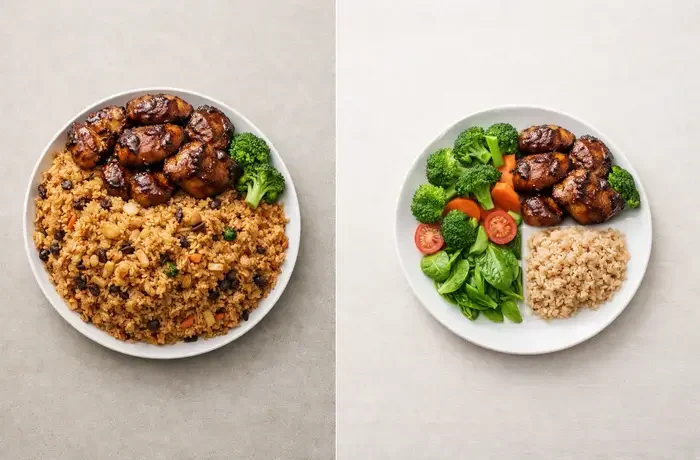
Eating well is rarely just a matter of choosing nutritious foods. The quantity of food consumed during each meal plays an equally critical role in long-term metabolic health, digestion, and body weight regulation. In an environment dominated by oversized restaurant platters, packaged snacks with vague serving details, and super-sized value meals, human perception of normal food amounts has shifted dramatically. Portion control offers a dependable, non-restrictive framework to realign daily intake with real physiological requirements, making healthy eating manageable, intuitive, and sustainable.
The Core Concept of Portion Control
Portion control is not synonymous with extreme food deprivation or rigid dieting. Rather, it is the deliberate practice of understanding how much food the body actually requires to perform optimally without taking in an unnecessary surplus.
-
Portion Size: The amount of food an individual chooses to eat at one sitting, whether at home, from a takeout container, or at a dining venue.
-
Serving Size: A standardized unit of measurement listed on nutrition labels, designed to help consumers evaluate caloric, fat, protein, and micronutrient values.
When individuals lose sight of standard serving measurements, portion distortion occurs. Over time, consuming oversized volumes stretches normal satiety cues, requiring increasingly larger meals to feel satisfied. Portion control reverses this cycle by re-establishing baseline nutritional boundaries without mandating the complete elimination of favorite foods.
Physiological Mechanisms Influenced by Controlled Portions
The human body relies on complex hormonal feedback systems to regulate hunger, energy expenditure, and nutrient storage. Managing portion sizes directly influences these biological pathways.
Regulating Blood Sugar and Insulin Spikes
Consuming massive quantities of carbohydrates or mixed meals at once floods the bloodstream with glucose. To clear this surge, the pancreas secretes substantial amounts of insulin. Frequent, heavy insulin spikes encourage fat storage, burden metabolic pathways, and typically result in rapid blood sugar crashes. These post-meal crashes trigger renewed hunger cravings, brain fog, and low physical energy within hours. Moderate portions deliver energy steadily, flattening these glucose spikes and promoting stable metabolic function throughout the day.
Honoring Satiety Signaling Hormones
The stomach requires roughly fifteen to twenty minutes to communicate fullness to the brain via satiety hormones such as leptin and peptide YY, while downregulating the hunger hormone ghrelin. Rapidly consuming overly large quantities bypasses this hormonal delay. By serving measured portions and eating at a deliberate pace, individuals allow their brain sufficient time to register satisfaction before overeating occurs.
Reducing Digestive Strain
Processing enormous boluses of food puts excessive mechanical and enzymatic stress on the gastrointestinal tract. Overeating regularly causes acid reflux, bloating, intestinal cramps, and lingering sluggishness. Appropriate portioning ensures the stomach acid and digestive enzymes can efficiently break down nutrients without overwhelming gastric capacity.
Practical Strategies for Managing Portions at Home
Implementing portion awareness at home does not require carrying a digital scale everywhere. Simple environmental changes and visual heuristics create an effortless setup for balanced eating.
-
Use Smaller Dinnerware: Visual cues strongly influence how much food people serve themselves. Using a nine-inch plate rather than a twelve-inch plate naturally restricts volume while keeping the plate looking full and satisfying.
-
Employ the Plate Method: Fill half of the plate with non-starchy vegetables, one quarter with lean protein, and the remaining quarter with fiber-rich complex carbohydrates or whole grains. Add a modest thumbnail-sized serving of healthy fats.
-
Rely on Hand Guides: When scales or measuring cups are inconvenient, use hands as rough estimators. A palm represents a portion of protein, a cupped hand equals complex carbohydrates, a fist represents leafy greens and vegetables, and a thumb approximates healthy oils or nut butters.
-
Pre-portion Bulk Snacks: Eating directly from a large bag of nuts, chips, or crackers makes tracking volume nearly impossible. Transfer single servings into small bowls or reusable containers before eating.
-
Store Leftovers Promptly: Leaving serving platters on the dining table invites mindless second helpings. Plate the meals directly from the stove, then immediately pack excess food into containers for refrigeration.
Navigating Social Settings and Restaurant Dining
Modern dining establishments regularly serve portions that could easily feed two or three adults. Navigating these environments without derailing balanced eating habits requires proactive planning.
Split Entrees or Box Portions Early
When ordering large entrees, ask the server to place half of the meal in a takeout box before bringing the dish to the table. Alternatively, share an entree with a dining companion and supplement with a fresh side salad.
Start with Broth-Based Soups or Salads
Beginning a meal with a light vegetable soup or a green salad dressed with oil and vinegar fills stomach volume with dietary fiber and water. This dampens initial hunger, making it far easier to consume a reasonable portion of a rich main course.
Be Mindful of Liquid Calories
Specialty beverages, alcohol, and sweetened sodas deliver significant calories with minimal satiety impact. Pairing meals with plain water, sparkling water, or unsweetened tea preserves room for nutrient-dense whole foods.
The Psychological Value of Portion Control
Restrictive diets that completely eliminate entire food groups frequently trigger psychological burnout, intense food cravings, and rebound bingeing. Portion control offers a mentally balanced alternative that supports long-term adherence.
-
Zero Forbidden Foods: By focusing on volume rather than total deprivation, individuals can enjoy occasional sweets or savory treats within reason, eliminating guilt-driven eating cycles.
-
Mindful Consumption: Paying attention to portion dimensions encourages individuals to slow down and genuinely taste their food, elevating satisfaction from smaller volumes.
-
Sustainable Habit Formation: Learning to estimate and manage portions builds a permanent skill set applicable in any culinary setting, from business lunches to holiday gatherings.
Frequently Asked Questions
Does portion control require counting calories every single day?
No. Portion control relies heavily on visual balance, serving sizes, and hand-based estimation methods rather than meticulous calorie logging. While basic nutritional awareness helps, practicing portion control is designed to create intuitive eating habits that operate independently of digital tracking apps.
How can someone manage hunger when reducing their usual portion sizes?
Increasing dietary fiber and lean protein helps curb appetite during the adjustment phase. Drinking a glass of water before meals, choosing voluminous non-starchy vegetables to bulk up plates, and chewing thoroughly ensure full satiety despite smaller overall calorie counts.
Is portion control safe for children and teenagers?
For growing children and teenagers, the focus should remain on balanced food variety and natural hunger cues rather than strict limitation. Using family-style serving strategies and balanced plate compositions provides adequate nourishment for growth without fostering negative fixations on food volume.
How does someone handle second helpings without losing portion discipline?
If physical hunger persists after finishing a primary portion, wait ten to fifteen minutes to allow digestive hormones to register. If genuine hunger remains, opt for an extra serving of vegetables or lean protein rather than energy-dense carbohydrates or rich sauces.
What is the most common visual mistake people make with high-calorie foods?
People consistently underestimate portions of calorically dense items, particularly cooking oils, salad dressings, nut butters, and cheeses. Because these foods take up very little physical volume, measuring them with standard tablespoons for a few days provides an accurate baseline perspective.
Can portion control still work if most meals are prepared outside the home?
Yes. Focus on menu selection by seeking roasted, baked, or steamed options, ordering dressings and sauces on the side, and deliberately setting aside a portion of the entree for later consumption before taking the first bite.
How long does it take for the body to adapt to smaller food volumes?
Most individuals notice a recalibration of their appetite within seven to fourteen days of consistent portion management. As the stomach adapts to reasonable volumes, smaller meals begin to feel naturally filling and comfortable.