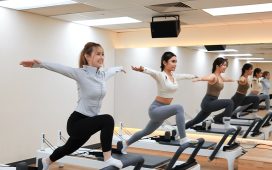
Yoga is more than a series of physical exercises; it is an ancient practice rooted in philosophy, physiology, and mental well-being. Originating in India thousands of years ago, yoga has evolved into a globally recognized approach to improving physical health, emotional balance, and spiritual awareness. Integrating posture, breath, and mindfulness, yoga offers profound benefits for modern lifestyles characterized by stress, sedentary behavior, and digital overload.
Understanding Yoga: Definition and Principles
Yoga is derived from the Sanskrit word yuj, which means “to unite” or “to join,” reflecting the goal of harmonizing the mind, body, and spirit. At its core, yoga encompasses physical postures (asanas), breathing techniques (pranayama), meditation (dhyana), and ethical disciplines (yamas and niyamas).
The Core Principles of Yoga
- Mind-Body Integration: Yoga emphasizes the connection between physical movement, breath regulation, and mental focus.
- Balance and Alignment: Postures are designed to enhance muscular strength, joint stability, and spinal alignment.
- Breath Awareness: Conscious breathing regulates energy flow, reduces stress, and supports physiological functions.
- Mindfulness and Presence: Meditation and focused awareness cultivate mental clarity and emotional regulation.
- Ethical Living: Yamas and Niyamas guide practitioners toward compassion, self-discipline, and personal growth.
Different Styles of Yoga
Yoga has diversified into numerous styles, each offering unique benefits and catering to different physical and mental needs.
Hatha Yoga
Hatha yoga emphasizes physical postures and breath control. It is considered a foundational style, suitable for beginners and those seeking gentle alignment-based practice.
Vinyasa Yoga
Vinyasa involves fluid transitions between poses synchronized with breath. It enhances cardiovascular endurance, flexibility, and dynamic strength.
Ashtanga Yoga
A rigorous and structured practice, Ashtanga involves a specific sequence of poses performed in a continuous flow. It develops stamina, muscular endurance, and discipline.
Iyengar Yoga
Iyengar focuses on precise alignment using props such as blocks, straps, and bolsters. This style is particularly effective for injury rehabilitation and postural correction.
Kundalini Yoga
Kundalini yoga emphasizes awakening energy through specific breathing, chanting, and meditative sequences. It is associated with heightened awareness and emotional transformation.
Restorative and Yin Yoga
Both styles prioritize long-held poses and deep relaxation. They target connective tissues, improve flexibility, and activate the parasympathetic nervous system for stress relief.
Physical Benefits of Yoga
Yoga’s physical benefits are supported by numerous scientific studies, demonstrating measurable improvements in strength, flexibility, and overall physiological function.
Musculoskeletal Health
- Improved Flexibility: Stretching muscles, tendons, and ligaments reduces stiffness and enhances range of motion.
- Strength and Endurance: Weight-bearing postures like plank and warrior poses build muscular strength.
- Posture Correction: Alignment-focused yoga mitigates musculoskeletal imbalances caused by prolonged sitting or poor ergonomics.
- Joint Health: Controlled movements nourish synovial fluid and promote joint mobility.
Cardiovascular and Respiratory Benefits
- Heart Health: Yoga reduces blood pressure, heart rate, and inflammation markers, supporting cardiovascular well-being.
- Enhanced Lung Function: Pranayama practices improve oxygen uptake, respiratory efficiency, and lung capacity.
- Circulatory Improvement: Inverted poses enhance venous return and lymphatic drainage.
Weight Management and Metabolic Support
- Caloric Expenditure: Dynamic forms like Vinyasa and Ashtanga contribute to calorie burn.
- Metabolic Regulation: Yoga reduces cortisol levels, which can influence appetite, fat distribution, and metabolic disorders.
- Insulin Sensitivity: Evidence suggests yoga improves glycemic control in prediabetic and diabetic populations.
Mental and Emotional Benefits
Yoga is as much a mental discipline as a physical practice, offering significant psychological advantages.
Stress Reduction
- Cortisol Regulation: Studies demonstrate yoga reduces cortisol, a hormone associated with chronic stress.
- Activation of the Parasympathetic System: Slow breathing and restorative postures induce relaxation and calmness.
Anxiety and Depression Management
- Neurochemical Balance: Yoga practice increases gamma-aminobutyric acid (GABA), serotonin, and dopamine levels, improving mood.
- Mindfulness Training: Focused attention and meditation enhance emotional regulation and resilience.
Cognitive and Neurological Benefits
- Improved Focus and Attention: Regular practice enhances executive function and sustained attention.
- Memory and Learning: Mindful breathing and meditation positively influence hippocampal function and neuroplasticity.
- Sleep Quality: Yoga reduces insomnia and promotes restorative sleep through relaxation and circadian rhythm alignment.
Integrating Breathwork in Yoga
Breath control is central to yoga, influencing both physiological and psychological processes.
Pranayama Techniques
- Ujjayi Breathing: Produces a gentle, controlled sound that increases focus and relaxation.
- Nadi Shodhana (Alternate Nostril Breathing): Balances autonomic nervous system activity and reduces anxiety.
- Kapalabhati (Skull Shining Breath): Cleanses respiratory passages and energizes the mind.
- Bhramari (Bee Breath): Calms the nervous system and reduces mental tension.
Physiological Effects of Breath Control
- Improved Oxygenation: Enhances tissue perfusion and cellular metabolism.
- Cardiorespiratory Efficiency: Strengthens diaphragm function and supports lung capacity.
- Stress Modulation: Activates the parasympathetic nervous system and reduces sympathetic overdrive.
Yoga as Preventive Medicine
Yoga can be considered a form of preventive medicine, addressing lifestyle-related disorders and promoting holistic health.
Chronic Disease Management
- Cardiovascular Disorders: Regular practice reduces hypertension, arterial stiffness, and risk factors for atherosclerosis.
- Diabetes and Metabolic Syndrome: Yoga improves insulin sensitivity, body composition, and lipid profiles.
- Musculoskeletal Disorders: Alleviates chronic back pain, osteoarthritis symptoms, and posture-related discomfort.
- Mental Health Disorders: Reduces symptoms of anxiety, depression, and post-traumatic stress disorder (PTSD).
Immunomodulatory Effects
Yoga positively influences immune function by reducing inflammation markers and enhancing the activity of natural killer cells and lymphocytes. This effect may contribute to lower susceptibility to infections and chronic diseases.
Lifestyle Integration and Safety Considerations
While yoga is generally safe for most individuals, optimal practice requires mindfulness, proper technique, and individualized adjustments.
Practice Guidelines
- Consistency: Daily or regular sessions yield cumulative benefits over sporadic practice.
- Progressive Adaptation: Start with foundational poses before advancing to complex sequences.
- Mindful Alignment: Proper posture and breathing reduce injury risk.
- Medical Clearance: Individuals with chronic conditions or injuries should consult healthcare providers before beginning practice.
Combining Yoga with Other Lifestyle Interventions
- Nutrition: A balanced diet supports energy and recovery for yoga practitioners.
- Sleep Hygiene: Adequate sleep enhances physical and cognitive benefits.
- Stress Management: Yoga complements other stress-reduction techniques such as meditation, mindfulness, and journaling.
FAQs About Yoga
1. Can yoga help with chronic back pain?
Yes. Evidence-based yoga programs improve flexibility, core strength, and spinal alignment, which alleviate chronic back pain.
2. How often should I practice yoga for optimal benefits?
Consistency matters more than duration. Practicing 3–5 times per week, even for 20–45 minutes, provides measurable benefits.
3. Is yoga suitable for older adults or people with mobility limitations?
Absolutely. Adaptive yoga using props, gentle stretches, and chair-based routines allows safe participation for older adults and individuals with limited mobility.
4. Can yoga improve mental health conditions?
Yes. Yoga reduces anxiety, depression, and stress markers while enhancing mood, resilience, and cognitive focus.
5. How does yoga affect sleep quality?
Regular practice promotes relaxation, regulates circadian rhythms, and reduces insomnia through stress reduction and autonomic nervous system balance.
6. Do I need special equipment to practice yoga?
A yoga mat, comfortable clothing, and optional props such as blocks, straps, or bolsters are sufficient. No expensive equipment is necessary.
7. Can yoga aid in weight management?
Yes. Dynamic yoga styles increase caloric expenditure, improve metabolic efficiency, and reduce stress-induced overeating.
Conclusion
Yoga is a comprehensive discipline that unites physical fitness, mental clarity, and emotional resilience. Its scientific foundations, coupled with practical applications, make it a powerful tool for modern health challenges. By integrating asanas, pranayama, meditation, and lifestyle practices, individuals can enhance flexibility, strength, cardiovascular and respiratory function, mental well-being, and immune resilience. A consistent, mindful yoga practice offers a sustainable path to holistic health, empowering practitioners to achieve balance and vitality in daily life.