Modern medical science categorizes the causes of widespread chronic illnesses through the lens of risk factors. A risk factor is any attribute, characteristic, or exposure of an individual that increases the likelihood of developing a disease or injury. While some conditions appear suddenly, the vast majority of non-communicable diseases develop silently over decades, driven by a complex interplay between biological susceptibility and daily environmental exposures.
Understanding these drivers empowers individuals and healthcare professionals to shift from reactive treatment to proactive prevention. Epidemiologists broadly classify disease determinants into non-modifiable factors, such as biological age, sex, and inherited genetic variations, and modifiable factors, which encompass nutrition, physical activity, tobacco use, and environmental exposures.
Cardiovascular Diseases and Circulatory Vulnerabilities
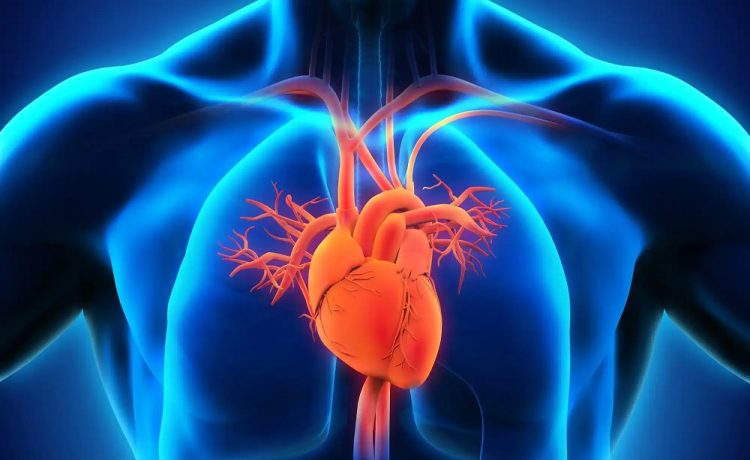
Cardiovascular diseases remain the leading cause of mortality worldwide, primarily driven by atherosclerosis, the gradual narrowing and hardening of arteries due to lipid plaque accumulation. Arterial walls degrade under continuous physiological stress, creating vulnerabilities that lead to heart attacks, strokes, and peripheral artery disease.
Key drivers that accelerate cardiovascular decline include:
-
Hypertension: Sustained high blood pressure damages the delicate inner lining of the blood vessels, known as the vascular endothelium. This micro-damage provides an entry point for circulating lipids to embed within vessel walls.
-
Dyslipidemia: Elevated levels of low-density lipoprotein cholesterol, combined with high triglycerides and low high-density lipoprotein cholesterol, provide the raw biological material for arterial plaque formation.
-
Tobacco Smoke Inhalation: Nicotine accelerates resting heart rate and constricts blood vessels, while carbon monoxide displaces oxygen in the bloodstream. Concurrently, chemical toxins in tobacco induce widespread vascular inflammation and promote abnormal blood clotting.
-
Physical Inactivity: Sedentary behavior diminishes the production of nitric oxide, a compound vital for arterial elasticity and healthy blood flow, while accelerating systemic arterial stiffening.
Metabolic Disorders and Type 2 Diabetes
Type 2 diabetes and metabolic syndrome are characterized by impaired glucose homeostasis and systemic insulin resistance. In healthy physiology, the pancreas secretes insulin to shuttle glucose into skeletal muscle and hepatic cells. Over time, sustained metabolic overload impairs this pathway, forcing the pancreas to produce excessive insulin until beta-cell exhaustion occurs.
Several physiological mechanisms drive this metabolic breakdown:
-
Visceral Adiposity: Fat accumulated deep within the abdominal cavity surrounds vital organs like the liver and pancreas. Unlike subcutaneous fat, visceral adipose tissue acts as an endocrine organ, secreting inflammatory cytokines that directly block insulin signaling pathways.
-
Excess Intake of Refined Carbohydrates: Diets dense in added sugars and ultra-processed grains cause rapid, repeated spikes in blood glucose, placing chronic stress on the glycemic control system.
-
Chronic Low-Grade Inflammation: Sustained biological inflammation disrupts intracellular insulin signaling receptors, impairing the ability of cells to absorb glucose efficiently from the bloodstream.
-
Hepatic Steatosis: The non-alcoholic accumulation of fat inside liver tissue blunts the liver capacity to suppress nocturnal glucose output, maintaining elevated fasting blood sugar levels.
Oncological Pathologies and Cellular Mutation Triggers
Cancer develops when genetic mutations disrupt normal cellular growth and division protocols, allowing abnormal cells to proliferate autonomously. While random DNA replication errors account for some cases, external carcinogens and internal biological stressors significantly elevate the mutation rate.
Major contributors to oncological risk include:
-
Chemical Carcinogen Exposure: Compounds such as benzene, asbestos, aromatic amines, and formaldehyde bind directly to cellular DNA, causing structural breaks and erroneous base-pair pairings during cell replication.
-
Ionizing and Ultraviolet Radiation: Solar radiation damages epidermal skin cells by creating thymine dimers in DNA strands, increasing the risk of melanoma and non-melanoma skin cancers.
-
Chronic Infectious Pathogens: Certain biological agents cause sustained cellular turnover or insert oncogenes into human genomes. Human papillomavirus promotes cervical and oropharyngeal cancers, while hepatitis B and C viruses induce chronic liver inflammation that can progress to hepatocellular carcinoma.
-
Alcohol Consumption: The primary metabolic byproduct of ethanol is acetaldehyde, a known toxin that inhibits DNA repair enzymes and generates damaging free radicals within epithelial tissues.
Chronic Respiratory Conditions and Environmental Hazards
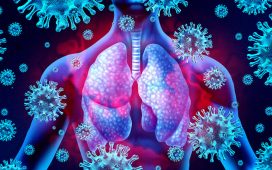
Non-infectious pulmonary diseases, such as chronic obstructive pulmonary disease, pulmonary fibrosis, and adult-onset asthma, involve progressive tissue remodeling, chronic airway inflammation, and irreversible alveolar destruction.
The primary environmental and physiological risk factors include:
-
Ambient and Indoor Particulate Matter: Fine particulate matter with a diameter of less than two point five micrometers penetrates deep into the alveolar sacs. These microscopic particles trigger local alveolar inflammation, oxidize lung tissue, and enter systemic circulation.
-
Occupational Dusts and Chemicals: Prolonged inhalation of silica dust, coal dust, grain dust, and industrial chemical vapors leads to progressive fibrosis and permanent loss of lung elasticity.
-
Secondhand Smoke Exposure: Non-smokers exposed regularly to tobacco smoke absorb identical cytotoxic chemicals that paralyze the protective cilia lining the bronchial tree, preventing the clearance of inhaled pathogens and debris.
-
Early-Life Respiratory Infections: Severe viral or bacterial infections during infancy can permanently alter lung development, resulting in reduced maximal lung capacity in adulthood.
Neurodegenerative Decline and Cerebrovascular Influences
Dementia, Alzheimer disease, and other neurodegenerative pathologies involve the progressive loss of functional neurons and synaptic connections in critical brain regions. While advancing age represents the strongest baseline factor, lifestyle and vascular health play a substantial role in determining cognitive longevity.
Factors influencing cognitive decline include:
-
Impaired Cerebrovascular Circulation: Cerebral small vessel disease, often secondary to uncontrolled hypertension and diabetes, deprives brain tissue of essential oxygen and glucose, accelerating cognitive decline.
-
Chronic Sleep Disruption: Deep non-rapid eye movement sleep activates the brain glymphatic system, a specialized waste clearance pathway that flushes metabolic toxins, including amyloid-beta and tau proteins, from neural tissues.
-
Sensory Deprivation and Social Isolation: Untreated midlife hearing loss forces the brain to reallocate cognitive processing resources toward auditory interpretation, reducing cognitive reserve and accelerating brain atrophy.
-
Systemic Inflammation: Low-grade systemic inflammation breaches the blood-brain barrier, activating resident microglial cells into a persistent neurotoxic inflammatory state that destroys synapses.
Comprehensive Risk Reduction Strategies
Mitigating disease risk requires addressing shared underlying biological drivers rather than treating each illness in isolation. Because cardiovascular health, metabolic function, and cellular integrity rely on identical physiological mechanisms, holistic lifestyle adjustments provide wide-ranging protective benefits.
Key priorities for proactive health preservation include:
-
Nutritional Density: Emphasize whole, unprocessed plant and animal foods rich in dietary fiber, polyphenols, and micronutrients to stabilize blood glucose and suppress systemic inflammation.
-
Cardiorespiratory and Resistance Training: Combine aerobic exercise to enhance endothelial function and capillary density with resistance training to maximize glucose disposal in skeletal muscle.
-
Consistent Sleep Hygiene: Maintain seven to nine hours of continuous, restorative sleep per night to facilitate cellular detoxification, hormone regulation, and metabolic reset.
-
Routine Clinical Screening: Regularly evaluate key clinical biomarkers, including resting blood pressure, fasting lipid panels, glycated hemoglobin, and liver enzymes, to identify subclinical abnormalities before symptomatic disease emerges.
Frequently Asked Questions
What is the difference between relative risk and absolute risk in medical screenings?
Absolute risk refers to the actual probability that an individual will develop a specific disease over a set period, such as a five percent chance over ten years. Relative risk compares the risk between two different groups, such as stating that smokers are twice as likely to develop a condition compared to non-smokers. A large relative risk increase can sometimes correspond to a very small change in actual absolute risk if the condition is extremely rare.
How does chronic emotional stress physically damage internal organs?
Prolonged emotional stress triggers sustained activation of the sympathetic nervous system and the hypothalamic-pituitary-adrenal axis. This state floods the body with cortisol and epinephrine, elevating resting blood pressure, increasing systemic inflammation, impairing immune surveillance, and promoting abdominal fat accumulation.
Can a strong family history of a disease be entirely overcome through lifestyle modifications?
While genetic predispositions establish a baseline susceptibility, lifestyle choices heavily influence whether those genes are expressed, a mechanism governed by epigenetics. Adopting healthy behaviors significantly lowers absolute disease incidence even in individuals carrying high-risk genetic variations, delaying onset or blunting overall severity.
Why is abdominal fat considered more dangerous than fat stored in the hips or thighs?
Abdominal or visceral fat wraps around internal digestive organs and releases fatty acids directly into the portal vein leading to the liver. This deep tissue fat is biologically active, constantly secreting pro-inflammatory signaling molecules and free fatty acids that impair hepatic function and trigger widespread insulin resistance, unlike benign subcutaneous fat stored in the lower body.
How soon after quitting tobacco do disease risk profiles begin to drop?
Within twenty minutes of cessation, heart rate and blood pressure normalize. Within twelve months, the excess risk of coronary heart disease drops by fifty percent. Within five to ten years, the risk of stroke and various cancers falls to levels comparable to those of a lifelong non-smoker.
What role does gut microbiome diversity play in reducing disease susceptibility?
A diverse intestinal microbiome ferments dietary fiber into short-chain fatty acids like butyrate, acetate, and propionate. These compounds reinforce the intestinal mucosal barrier, regulate immune system calibration, suppress systemic inflammatory cascades, and assist in maintaining healthy metabolic and lipid profiles throughout the body.
How does chronic dehydration contribute to long-term vascular strain?
Persistent low fluid intake causes the body to retain sodium and secrete higher concentrations of vasopressin, a hormone that constricts blood vessels to maintain blood pressure. Over time, chronically elevated vasopressin levels increase vascular resistance, elevate resting blood pressure, and place unnecessary biomechanical strain on both the heart and kidneys.