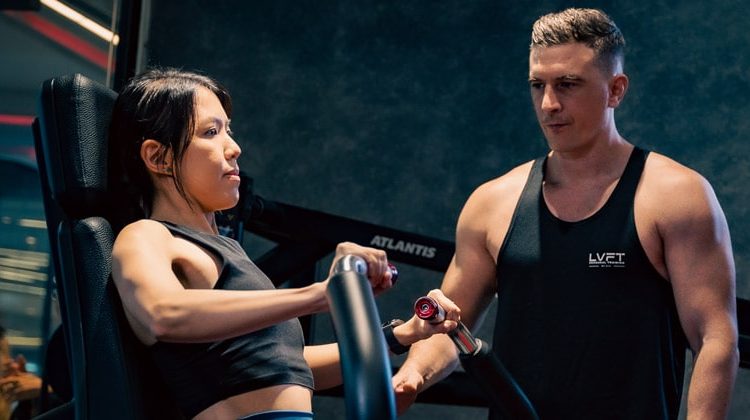
The journey of motherhood transforms a woman’s body in profound and beautiful ways. After childbirth, many new mothers in Singapore feel a strong desire to return to exercise, to reclaim their strength, and to feel like themselves again. However, the path back to fitness is not simply a matter of picking up where they left off before pregnancy. The postnatal body has unique needs and vulnerabilities that require specialised attention. This is where the expertise of a personal fitness trainer singapore becomes invaluable, guiding new mothers through a safe, effective, and empowering comeback that prioritises long-term health over quick fixes.
The pressure to “bounce back” after baby is immense in our society. Social media feeds are filled with images of celebrities showcasing flat stomachs weeks after giving birth. This creates unrealistic expectations and can lead new mothers to push themselves too hard, too soon, with potentially serious consequences. A skilled personal trainer provides a crucial counterbalance to this pressure, focusing instead on functional recovery, core integrity, and rebuilding from the inside out.
Understanding the Postnatal Landscape
Pregnancy and childbirth create significant changes in a woman’s body that persist well after delivery. The abdominal muscles stretch and separate to accommodate the growing baby, a condition known as diastasis recti. This separation can remain after birth, leaving a gap in the connective tissue that compromises core function. The pelvic floor muscles, which support the bladder, uterus, and bowel, endure tremendous strain during pregnancy and delivery, whether vaginal or caesarean. These muscles may become weakened or overly tight, leading to issues with incontinence or pelvic discomfort.
Hormonal changes also affect the body. Relaxin, a hormone that loosens ligaments to prepare for birth, remains elevated for months after delivery, making joints more mobile and potentially less stable. This increased flexibility can actually increase injury risk if a mother returns to high-impact exercise or heavy lifting without proper preparation.
A qualified personal trainer begins by understanding these changes. They conduct thorough assessments, looking for signs of diastasis recti, evaluating pelvic floor function through appropriate screening questions, and assessing overall movement patterns. This baseline understanding informs every aspect of the program design, ensuring that exercises build strength without exacerbating underlying issues.
The First Priority: Deep Core Rehabilitation
For a new mother working with a personal fitness trainer singapore, the initial focus is rarely on burning calories or losing weight. Instead, the priority is rebuilding the deep core system. This includes the transverse abdominis, the deepest abdominal muscle that acts like a natural corset, along with the pelvic floor, multifidus, and diaphragm. These muscles work together as a unit to provide stability and support for the entire body.
The trainer guides the mother through exercises that reconnect her with these deep muscles. This might begin with gentle breathing techniques that engage the pelvic floor and transverse abdominis. From there, they progress to foundational movements like heel slides, bridges, and modified planks, always maintaining the connection to the deep core. The goal is to retrain the body to recruit these stabilising muscles automatically during daily activities and future exercise.
This rehabilitation phase requires patience. Many new mothers are eager to return to running or high-intensity workouts, but the trainer provides essential guidance on when the body is truly ready. Progress is measured not by the scale or by how much weight they can lift, but by how well they can maintain core engagement during movement and how their body responds to increasing challenges.
Building Back Safely and Progressively
Once the deep core foundation is established, the trainer gradually introduces more demanding exercises. This progression is carefully calibrated to the individual’s recovery timeline, which varies significantly from woman to woman. Factors such as whether delivery was vaginal or caesarean, the presence of any birth complications, and the mother’s pre-pregnancy fitness level all influence the appropriate pace.
For mothers who delivered by caesarean section, additional considerations apply. The abdominal incision creates scar tissue that can affect movement patterns and core function. A knowledgeable trainer incorporates scar tissue mobilisation techniques and exercises that gently restore mobility to the affected area. They also ensure that exercises do not place undue stress on the healing incision site.
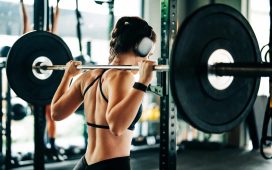
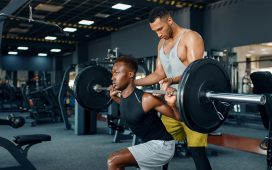
As strength builds, the program expands to include full-body resistance training. The trainer selects exercises that challenge the body while maintaining core integrity. Squats, lunges, rows, and presses are all incorporated, with constant attention to form. The mother learns to brace her core during these movements, protecting her spine and continuing to strengthen her deep stabilisers even as she builds overall strength.
Addressing Common Postnatal Concerns
Beyond core rehabilitation, personal training addresses the specific concerns that many new mothers bring to their sessions. Diastasis recti is a primary concern for many women who notice a persistent “pooch” or doming in their abdomen during certain movements. The trainer teaches them to recognise and avoid movements that exacerbate the separation, such as traditional crunches or sit-ups, and instead provides alternatives that strengthen the core without increasing the gap.
Pelvic floor health is another critical area. Many women experience stress incontinence, leaking urine when they cough, sneeze, laugh, or jump. This condition is common but not normal, and it is treatable. A trainer with postnatal expertise incorporates exercises that strengthen the pelvic floor in coordination with the deep core, gradually restoring continence and confidence.
Postural changes from pregnancy and breastfeeding also receive attention. Carrying a baby, bending over a cot, and hunching while nursing can create rounded shoulders and a forward head posture. The trainer designs exercises to open the chest, strengthen the upper back, and restore proper alignment, relieving the back and neck pain that many new mothers experience.
The Emotional and Psychological Dimension
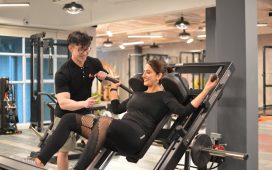
The benefits of postnatal personal training extend far beyond the physical. For many new mothers, training sessions provide a precious opportunity to focus on themselves, to reclaim a piece of their identity that exists outside of motherhood. The one-on-one attention from a trainer offers encouragement and accountability during a time when self-care often falls to the bottom of the priority list.
Achieving physical milestones rebuilding core strength, lifting heavier weights, running again without leaking provides a tremendous psychological boost. It reminds the mother that she is strong and capable, countering the self-doubt and body image struggles that often accompany the postpartum period. The trainer becomes a partner in this journey, celebrating each victory and providing reassurance during setbacks. Facilities like True Fitness Singapore create a supportive environment where new mothers can focus on their recovery without judgment.
FAQ
Q: How soon after giving birth can I start personal training?
A: The general recommendation is to wait for your six-week postnatal checkup and receive clearance from your doctor. For c-section deliveries, the timeline may be longer. However, some gentle breathing and deep core activation exercises can begin earlier if they feel comfortable and your doctor approves.
Q: I had my baby three years ago. Is it too late to fix my diastasis recti?
A: It is never too late. While healing is often fastest in the first year, women can make significant improvements to diastasis recti years after childbirth with appropriate exercise. A skilled trainer assesses your specific situation and designs a program to gradually close the gap and improve core function.
Q: How is postnatal personal training different from a regular workout program?
A: Postnatal training prioritises core and pelvic floor rehabilitation before advancing to general strength work. It avoids exercises that can worsen diastasis recti, like traditional crunches, and incorporates specific techniques to reconnect with deep stabilising muscles. Regular workout programs typically do not account for these unique postnatal considerations.
Q: Will personal training help with my stress incontinence when I run?
A: Yes, in most cases. A trainer with postnatal expertise incorporates exercises to strengthen the pelvic floor in coordination with your breathing and movement patterns. As your deep core and pelvic floor function improves, you should notice reduced leakage during high-impact activities like running or jumping.