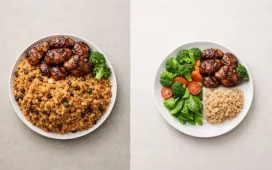
Transforming your daily diet does not require extreme calorie restriction, rigid meal plans, or eliminating entire food groups. Most beginner diets fail because they attempt to overhaul years of established eating patterns overnight. When the rules become too complex or punishing, consistency collapses.
True nutritional progress comes from making small, deliberate adjustments that compound over time. By focusing on food quality, portion awareness, and sustainable lifestyle habits, you can build an eating pattern that fuels your daily energy, supports metabolic health, and fits into your real life.
Focus on Whole Foods Over Strict Restriction
The simplest way to upgrade your diet is to shift your focus from what you need to cut out to what you need to add in. Highly processed foods are engineered to be hyper-palatable, making it easy to consume large amounts of refined sugar, sodium, and unhealthy fats without feeling full. Replacing these items with nutrient-dense whole foods naturally regulates your appetite.
A whole food is an ingredient that remains close to its natural state with minimal processing. When filling your kitchen, emphasize these core categories:
-
Vegetables and Fruits: Dark leafy greens, broccoli, bell peppers, berries, apples, and citrus fruits deliver essential micronutrients and antioxidants.
-
Intact Grains: Brown rice, quinoa, rolled oats, and whole-wheat varieties provide steady glucose release rather than sharp insulin spikes.
-
Lean Proteins: Chicken breast, turkey, eggs, tofu, tempeh, and white fish support tissue repair without excess saturated fat.
-
Legumes: Lentils, black beans, and chickpeas offer an optimal balance of plant protein and complex starches.
-
Healthy Fats: Avocados, raw nuts, seeds, and extra virgin olive oil support cellular health and nutrient absorption.
Reading ingredient labels is a critical skill. If a packaged product contains a long list of additives, artificial preservatives, and chemical flavor enhancers, treat it as an occasional item rather than a daily staple.
Master the Plate Method for Effortless Balance
Counting calories and weighing food on digital scales can lead to burnout early in your journey. The visual plate method serves as an intuitive framework that automatically balances macronutrients and controls energy intake without manual math.
To use this method, divide a standard nine-inch dinner plate into three functional zones for your main meals:
-
Fill Half the Plate with Non-Starchy Vegetables: Load this section with spinach, asparagus, zucchini, cauliflower, or green beans. These foods provide volume, water, and fiber to fill your stomach for very few calories.
-
Fill One-Quarter of the Plate with Lean Protein: Aim for a portion roughly the size and thickness of the palm of your hand. Adequate protein stimulates fullness hormones and preserves lean muscle mass.
-
Fill One-Quarter of the Plate with Complex Carbohydrates: Use this space for sweet potatoes, brown rice, whole-grain pasta, or legumes to provide sustained physical and cognitive energy.
-
Add a Thumb-Sized Portion of Healthy Fats: Finish the meal with a drizzle of olive oil, a slice of avocado, or a sprinkle of seeds to aid in the absorption of fat-soluble vitamins A, D, E, and K.
This simple visual structure works whether you are cooking at home, eating at a company luncheon, or ordering at a restaurant.
Prioritize Protein and Dietary Fiber
Two nutritional components dictate how satisfied you feel after eating: protein and dietary fiber. Diets low in both leave you constantly hungry, leading to frequent snacking and energy crashes throughout the afternoon.
Protein has the highest thermic effect of all macronutrients, meaning your body burns more energy digesting it than it does processing fats or carbohydrates. Distributing your protein intake evenly throughout the day helps stabilize blood sugar levels and prevents intense evening cravings. Aim to include a distinct protein source with every meal and snack, such as Greek yogurt at breakfast, canned tuna at lunch, and edamame in the afternoon.
Dietary fiber passes through the digestive tract largely intact, slowing digestion and nourishing beneficial gut bacteria. Adults should target between twenty-five and thirty-five grams of fiber daily. Increase your intake gradually to avoid temporary digestive discomfort, and pair high-fiber meals with plenty of water.
Rethink Your Hydration Habits
Liquid calories represent one of the most common blind spots in modern nutrition. Beverages containing added sugars provide substantial calories without triggering the stretch receptors in your stomach that signal fullness to your brain.
Common culprits include:
-
Regular sodas and sweetened iced teas
-
Commercial fruit juices and fruit punch blends
-
Specialty coffee drinks made with flavored syrups and heavy creams
-
Energy drinks and sweetened sports beverages
-
Alcoholic beverages, which also impair metabolic recovery and lower dietary inhibitions
Make plain water your primary beverage throughout the day. If plain water feels unappealing, infuse it with fresh lemon slices, cucumber, or mint leaves. Unsweetened sparkling water and herbal teas are also great calorie-free alternatives. Mild dehydration frequently masquerades as hunger; drinking a tall glass of water before reaching for a mid-afternoon snack can help you distinguish true hunger from thirst.
Build Sustainable Grocery Shopping and Meal Prep Habits
Better nutrition begins in the grocery store aisle. If your refrigerator and pantry are filled with nutrient-poor convenience items, you will inevitably eat them during busy or stressful moments.
Begin by shopping the perimeter of the supermarket, where stores typically stock fresh produce, butcher meats, seafood, and refrigerated dairy. Venture into the center aisles with a specific shopping list to pick up whole grains, dried beans, canned fish, and spices. Never shop while hungry, as low blood sugar increases impulsive purchases of high-sugar, high-fat snacks.
You do not need to spend your entire Sunday batch-cooking complicated recipes to practice effective meal preparation. Instead, practice component cooking:
-
Roast two large baking sheets of mixed vegetables at once to use throughout the week.
-
Cook a large batch of quinoa or brown rice to store in airtight containers.
-
Grill or bake several chicken breasts, tofu blocks, or lean ground turkey portions ahead of time.
-
Wash and chop raw vegetables like celery, bell peppers, and carrots so they are immediately accessible for snacking.
Having prepared base ingredients in your refrigerator allows you to assemble a balanced, nourishing meal in less than five minutes when time is short.
Manage Cravings and Social Eating with Mindful Flexibility
Perfectionism is the enemy of long-term consistency. Viewing foods as strictly good or bad creates an unhealthy psychological dynamic that often leads to cycles of restriction and binge eating.
Adopt an eighty-twenty mindset. Strive to get roughly eighty percent of your daily nutrition from nutrient-dense whole foods that fuel your body efficiently. Reserve the remaining twenty percent for favorite treats, social gatherings, and spontaneous dining experiences. This flexibility prevents feelings of deprivation and makes healthy eating an enjoyable, permanent lifestyle.
Practice mindful eating techniques during meals:
-
Sit down at a table without screens, phones, or work distractions.
-
Chew your food thoroughly and pay attention to texture and flavor.
-
Pause halfway through your meal to assess your physical fullness on a scale of one to ten.
-
Stop eating when you feel comfortably satisfied rather than completely stuffed.
Your body takes approximately twenty minutes to transmit satiety signals from your digestive system to your brain. Eating slowly gives these physiological mechanisms time to work.
Frequently Asked Questions
How should beginners track their progress without stepping on a scale every day?
Daily scale weight fluctuates constantly due to water retention, sodium intake, hormonal changes, and digestive waste. More accurate ways to assess progress include noticing how your everyday clothing fits, tracking changes in your daily energy levels, observing improvements in your sleep quality, and taking non-scale body measurements or monthly progress photos.
Is it necessary to take dietary supplements when starting a cleaner diet?
Most healthy individuals can obtain all required vitamins, minerals, and macronutrients from a varied, balanced diet rich in whole foods. While specific supplements like vitamin D or omega-3 fatty acids may benefit individuals with documented deficiencies or restrictive diets, supplements should never replace quality whole-food sources. Consult a medical provider before adding new supplements to your routine.
What should a beginner eat before and after a standard workout?
Before exercise, consume an easily digestible snack containing complex carbohydrates and a modest amount of protein roughly sixty to ninety minutes prior, such as a banana with a tablespoon of peanut butter. After your workout, consume a balanced meal with twenty to thirty grams of protein to rebuild muscle tissue, paired with carbohydrates to replenish depleted muscle glycogen stores.
How does chronic sleep deprivation interfere with nutritional goals?
Insufficient sleep disrupts the balance of two primary appetite-regulating hormones: ghrelin and leptin. Sleep deprivation elevates ghrelin, which stimulates hunger, while decreasing leptin, which signals satiety. This hormonal imbalance typically causes intense cravings for energy-dense, high-sugar, and high-fat foods the following day.
Are frozen fruits and vegetables as nutritious as fresh produce?
Frozen produce is just as nutritious as fresh produce, and in some cases, even more so. Commercially frozen fruits and vegetables are harvested at peak ripeness and flash-frozen immediately, preserving their vitamin and mineral content. Fresh produce often spends days or weeks in transit and storage, during which sensitive nutrients can degrade over time.
How can someone transition to healthier eating on a tight financial budget?
Healthy eating can be very cost-effective when prioritizing versatile, shelf-stable staples. Base meals around economical whole foods such as dried or canned beans, lentils, brown rice, whole oats, eggs, and seasonal root vegetables. Buying frozen produce in bulk and purchasing whole chickens instead of pre-cut cuts also reduces overall grocery expenses significantly.
What is the difference between simple and complex carbohydrates in everyday meals?
Simple carbohydrates consist of short sugar molecules that digest quickly, causing rapid spikes and drops in blood sugar. These are found in refined table sugar, candy, soda, and white flour products. Complex carbohydrates contain longer chains of sugar molecules linked with dietary fiber, requiring more time to break down and providing steady, prolonged energy without sharp glucose spikes.