The human body is a complex system that maintains equilibrium through a delicate balance of biological processes. When this balance is disrupted, it can lead to the development of a disease. Disease is not simply an inconvenience; it represents a significant alteration in normal bodily function that can affect physical, mental, and emotional well-being. Understanding the causes, types, and management strategies of disease is essential for maintaining long-term health and preventing complications.
What Is Disease?
A disease is defined as a pathological condition of the body or mind that impairs normal functioning. Diseases can be caused by a variety of factors, including pathogens, genetic mutations, lifestyle choices, and environmental exposures. Recognizing the underlying causes of disease is crucial for both prevention and treatment.
Key Characteristics of Disease
- Disruption of Homeostasis: Disease often occurs when the body’s internal environment is disturbed. This can be due to infections, immune responses, or metabolic imbalances.
- Symptoms and Signs: Symptoms are subjective experiences reported by patients, such as pain or fatigue, whereas signs are observable indicators, such as swelling, rash, or abnormal lab results.
- Progression: Diseases may be acute, developing quickly and lasting a short period, or chronic, developing slowly and persisting over months or years.
Causes of Disease
Understanding the causative factors of disease is vital for prevention and management. These causes are generally classified into five main categories:
1. Infectious Agents
Infectious diseases are caused by microorganisms that invade the body and disrupt normal physiological processes. These agents include:
- Bacteria: Single-celled organisms that can cause conditions such as tuberculosis, strep throat, and urinary tract infections.
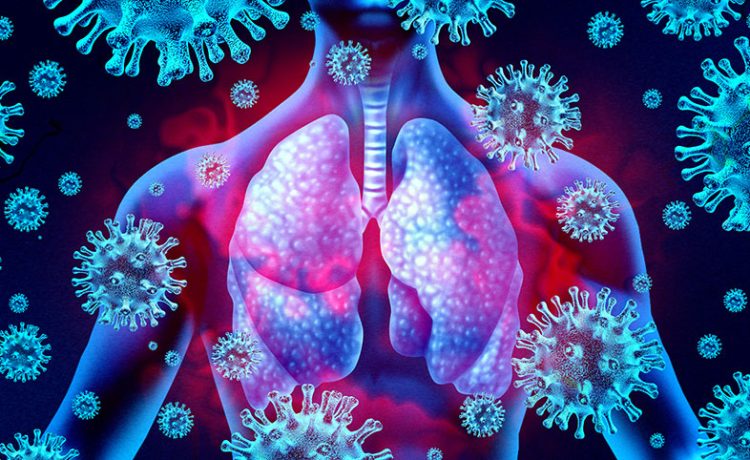
- Viruses: Microscopic agents that rely on host cells to replicate. Common viral diseases include influenza, hepatitis, and COVID-19.
- Fungi: Organisms that thrive in moist environments and can cause infections like athlete’s foot, ringworm, and candidiasis.
- Parasites: Organisms such as protozoa, helminths, and ectoparasites that can lead to malaria, giardiasis, and lice infestations.
2. Genetic and Hereditary Factors
Certain diseases are inherited or linked to genetic mutations. These conditions are often present at birth or develop due to mutations in specific genes. Examples include:
- Cystic Fibrosis: A hereditary disorder affecting the lungs and digestive system.
- Sickle Cell Anemia: A genetic mutation causing abnormal hemoglobin, leading to anemia and organ damage.
- Huntington’s Disease: A neurodegenerative genetic disorder that affects movement, cognition, and behavior.
3. Lifestyle and Environmental Factors
Modern lifestyles and environmental exposures significantly contribute to disease development. Key factors include:
- Diet and Nutrition: Poor nutrition can lead to obesity, diabetes, and cardiovascular diseases. Excessive sugar, trans fats, and processed foods increase disease risk.
- Physical Inactivity: Sedentary behavior is linked to metabolic disorders, musculoskeletal issues, and cardiovascular problems.
- Toxins and Pollution: Exposure to chemicals, air pollutants, and heavy metals can increase the risk of respiratory diseases, cancers, and neurological disorders.
- Substance Abuse: Smoking, alcohol, and drug misuse contribute to liver disease, lung disease, and systemic organ damage.
4. Immune System Dysregulation
When the immune system malfunctions, the body can either fail to defend against infections or attack its own tissues. Diseases caused by immune dysregulation include:
- Autoimmune Diseases: Conditions like rheumatoid arthritis, lupus, and multiple sclerosis arise when the immune system attacks healthy cells.
- Immunodeficiency Disorders: Genetic or acquired conditions, such as HIV/AIDS, reduce the body’s ability to fight infections.
5. Degenerative and Metabolic Disorders
Degenerative and metabolic diseases result from the gradual decline of tissues or imbalances in biochemical processes. Examples include:
- Diabetes Mellitus: Characterized by high blood sugar due to insulin resistance or deficiency.
- Osteoporosis: Progressive bone loss increasing the risk of fractures.
- Neurodegenerative Diseases: Alzheimer’s and Parkinson’s disease involve the progressive deterioration of neurons.
Types of Disease
Diseases are categorized in multiple ways, based on their cause, duration, and the systems they affect. Understanding these categories helps in diagnosis and treatment planning.
1. Acute vs. Chronic
- Acute Diseases: Sudden onset, often severe but short-lived. Examples include influenza and appendicitis.
- Chronic Diseases: Develop slowly, persist long-term, and often require continuous management. Examples include diabetes, hypertension, and chronic kidney disease.
2. Infectious vs. Non-Infectious
- Infectious Diseases: Caused by pathogens and can spread from person to person or through vectors.
- Non-Infectious Diseases: Not caused by pathogens and typically include genetic, metabolic, or lifestyle-related conditions.
3. Communicable vs. Non-Communicable
- Communicable Diseases: Spreadable from one individual to another, such as measles or influenza.
- Non-Communicable Diseases (NCDs): Non-transmissible, often lifestyle-related, such as cardiovascular disease, cancer, or diabetes.
4. System-Specific Diseases
Diseases are often classified by the bodily systems they affect:
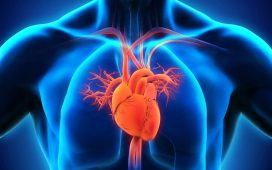
- Cardiovascular: Heart attack, hypertension, stroke.
- Respiratory: Asthma, chronic obstructive pulmonary disease (COPD), pneumonia.
- Digestive: Crohn’s disease, ulcerative colitis, hepatitis.
- Neurological: Epilepsy, Alzheimer’s disease, migraine disorders.
- Musculoskeletal: Arthritis, osteoporosis, muscular dystrophy.
Prevention Strategies
Preventing disease is more effective than treating it after onset. Evidence-based prevention strategies include:
1. Vaccination
Vaccines are a cornerstone in preventing infectious diseases such as measles, hepatitis, and influenza. Maintaining vaccination schedules is critical for both individual and community health.
2. Healthy Lifestyle Choices
- Balanced Nutrition: Emphasize whole grains, lean proteins, fruits, and vegetables. Limit processed foods, sugars, and unhealthy fats.
- Regular Exercise: Engage in 150 minutes of moderate aerobic activity or 75 minutes of vigorous activity weekly. Include strength training at least twice a week.
- Adequate Sleep: 7–9 hours per night supports immune function, cognitive performance, and metabolic regulation.
3. Environmental Hygiene
- Wash hands frequently to prevent the spread of pathogens.
- Avoid exposure to pollutants, chemicals, and secondhand smoke.
- Maintain clean living and work environments to reduce microbial exposure.
4. Regular Health Screenings
Early detection through routine check-ups and screenings allows for timely interventions. Examples include:
- Blood pressure and cholesterol checks for cardiovascular health.
- Colonoscopies for colon cancer screening.
- Blood glucose monitoring for diabetes detection.
5. Stress Management
Chronic stress contributes to disease development, particularly cardiovascular and autoimmune disorders. Techniques include meditation, yoga, mindfulness, and engaging in hobbies.
Treatment and Management
The treatment of disease depends on the type, severity, and individual patient factors. Effective management involves a combination of medical interventions, lifestyle modifications, and support systems.
Medical Interventions
- Medications: Antibiotics, antivirals, antifungals, and chronic disease medications help manage or eliminate underlying causes.
- Surgical Procedures: Required in conditions such as appendicitis, certain cancers, or organ dysfunctions.
- Therapies: Physical therapy, occupational therapy, and psychological counseling can support recovery and improve quality of life.
Lifestyle-Based Management
- Dietary Adjustments: For example, low-sodium diets for hypertension, low-glycemic diets for diabetes, and anti-inflammatory diets for autoimmune diseases.
- Exercise Programs: Tailored physical activity can improve cardiovascular function, muscular strength, and mental well-being.
- Behavioral Modifications: Smoking cessation, alcohol moderation, and stress reduction improve overall health outcomes.
Monitoring and Follow-Up
Regular follow-up allows for:
- Tracking disease progression and treatment effectiveness.
- Adjusting medications and lifestyle interventions as needed.
- Preventing complications and hospitalizations.
Emerging Trends in Disease Research
Scientific research continues to uncover innovative ways to prevent, diagnose, and treat diseases. Current trends include:
- Personalized Medicine: Tailoring treatment plans based on genetic profiling and biomarkers.
- Immunotherapy: Using the immune system to target cancers and autoimmune disorders.
- Digital Health: Wearable devices and telemedicine for real-time monitoring and management.
- Microbiome Research: Understanding the role of gut bacteria in immunity, metabolism, and mental health.
FAQs About Disease
1. What is the difference between acute and chronic diseases?
Acute diseases develop quickly and are typically short-term, while chronic diseases progress slowly and persist over months or years, often requiring ongoing management.
2. Can lifestyle changes prevent genetic diseases?
While genetic diseases cannot be entirely prevented, lifestyle modifications can reduce risk factors, manage symptoms, and improve quality of life.