Medicine is the science and practice of diagnosing, treating, and preventing disease while promoting health and well-being. It encompasses a broad spectrum of disciplines, ranging from clinical interventions and pharmaceuticals to surgical procedures and public health strategies. Understanding medicine requires examining its foundational principles, current practices, and emerging innovations that shape patient care and health outcomes worldwide.
Understanding the Fundamentals of Medicine
Medicine is built on the integration of biological sciences, clinical skills, and patient-centered care. It aims to restore health, manage chronic conditions, alleviate symptoms, and prevent disease progression.
Core Branches of Medicine
- Internal Medicine: Focuses on the prevention, diagnosis, and treatment of adult diseases, including chronic illnesses like diabetes, hypertension, and cardiovascular conditions.
- Surgery: Involves operative procedures to correct injuries, remove diseased tissues, or restore normal physiological functions.
- Pediatrics: Concentrates on the health and medical care of infants, children, and adolescents.
- Obstetrics and Gynecology: Addresses reproductive health, pregnancy management, and conditions affecting female reproductive organs.
- Psychiatry: Concerned with mental health, including mood disorders, anxiety, and neuropsychiatric conditions.
- Emergency Medicine: Provides immediate assessment and treatment for acute illnesses and injuries.
- Public Health and Preventive Medicine: Focuses on population health, disease prevention, health education, and epidemiology.
The Role of Evidence-Based Practice
Modern medicine relies on evidence-based practice to ensure that treatments are effective and safe. Clinical decisions are guided by peer-reviewed research, randomized controlled trials, meta-analyses, and updated medical guidelines. This approach minimizes harm, optimizes outcomes, and standardizes patient care across diverse healthcare settings.
Diagnostics: The Foundation of Medical Intervention
Accurate diagnosis is central to effective medical treatment. Medical professionals utilize a combination of clinical evaluation, laboratory testing, and imaging techniques.
Clinical Evaluation
- Medical History: A comprehensive record of symptoms, past illnesses, medications, family history, and lifestyle factors.
- Physical Examination: Systematic assessment of vital signs, organ systems, and physical anomalies.
Laboratory and Imaging Tests
- Blood Tests: Assess organ function, detect infections, monitor chronic conditions, and evaluate nutritional status.
- Urine and Stool Analysis: Detect metabolic disorders, infections, and gastrointestinal diseases.
- Imaging: Includes X-rays, MRI, CT scans, and ultrasound to visualize internal structures and guide interventions.
- Genetic Testing: Identifies inherited conditions, predispositions to disease, and guides personalized treatment.
Pharmacology: Medicines and Therapeutic Agents
Pharmacology is the study of how drugs interact with the body to treat disease, alleviate symptoms, and restore physiological balance.
Categories of Medicines
- Antibiotics: Target bacterial infections and prevent complications. Proper stewardship is essential to prevent resistance.
- Antivirals and Antifungals: Treat viral and fungal infections respectively. Timely administration improves efficacy.
- Analgesics and Anti-Inflammatories: Reduce pain, inflammation, and fever. Nonsteroidal anti-inflammatory drugs (NSAIDs) and opioids are commonly used.
- Antihypertensives and Cardiovascular Drugs: Manage blood pressure, heart failure, arrhythmias, and other cardiovascular disorders.
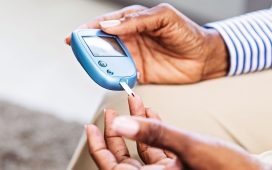
- Endocrine Medications: Treat hormonal imbalances, including insulin for diabetes and thyroid hormone replacement therapy.
- Psychotropic Medications: Address mood disorders, anxiety, psychosis, and cognitive dysfunction.
Principles of Rational Drug Use
- Correct Diagnosis: Medication should only be prescribed after accurate diagnosis.
- Appropriate Dosage: Tailored to age, weight, organ function, and severity of disease.
- Monitoring: Regular evaluation of therapeutic efficacy and side effects.
- Patient Education: Ensures adherence, prevents misuse, and reduces the risk of adverse events.
Surgical Interventions: Restoring Function and Health
Surgery remains a vital aspect of medicine for conditions not adequately managed by pharmacological therapy.
Types of Surgical Procedures
- Elective Surgery: Planned procedures for chronic conditions, cosmetic purposes, or non-urgent medical issues.
- Emergency Surgery: Immediate intervention required for life-threatening injuries, internal bleeding, or acute appendicitis.
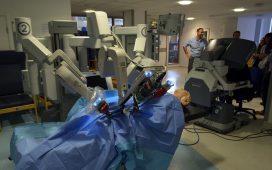
- Minimally Invasive Surgery: Includes laparoscopic and robotic-assisted techniques, reducing recovery time and complications.
- Transplant Surgery: Replaces diseased organs with healthy donor organs to restore function.
Preoperative and Postoperative Care
- Preoperative Assessment: Evaluates patient fitness for anesthesia, identifies risks, and prepares for surgery.
- Postoperative Management: Focuses on wound care, pain management, infection prevention, and rehabilitation.
Preventive Medicine and Public Health
Prevention is a cornerstone of medicine. Proactive strategies reduce disease incidence, healthcare costs, and improve quality of life.
Immunizations
Vaccines stimulate the immune system to prevent infectious diseases such as influenza, measles, and hepatitis. Widespread immunization programs have drastically reduced morbidity and mortality globally.
Lifestyle Interventions
- Nutrition: Balanced diets prevent chronic diseases, support immunity, and optimize metabolic health.
- Exercise: Regular physical activity reduces cardiovascular risk, maintains muscle mass, and enhances mental health.
- Tobacco and Alcohol Control: Reducing or eliminating harmful substances lowers the risk of cancer, liver disease, and cardiovascular complications.
Screening Programs
Routine screening detects disease at early, more treatable stages. Examples include mammography for breast cancer, colonoscopy for colorectal cancer, and blood pressure monitoring for hypertension.
Innovations and Emerging Trends in Medicine
Medicine is continually evolving through technological advancements and research breakthroughs.
Personalized Medicine
Tailors treatment based on genetic, environmental, and lifestyle factors. Pharmacogenomics ensures medications are effective and reduces adverse reactions.
Telemedicine
Remote consultations enhance accessibility, especially for patients in rural areas or with mobility challenges. Telehealth platforms facilitate diagnosis, monitoring, and follow-up care.
Regenerative Medicine
Utilizes stem cells, tissue engineering, and bioengineering to repair or replace damaged tissues and organs, offering solutions for previously untreatable conditions.
Artificial Intelligence in Healthcare
AI aids in diagnostics, predictive analytics, drug development, and personalized treatment plans, improving accuracy and efficiency in clinical decision-making.
Ethical Considerations in Medicine
Medical practice is governed by ethical principles to safeguard patient rights and ensure professional integrity.
- Autonomy: Respecting patients’ rights to make informed decisions about their care.
- Beneficence: Acting in the best interest of the patient.
- Non-Maleficence: Avoiding harm through careful evaluation of risks and benefits.
- Justice: Ensuring equitable access to healthcare resources and treatments.
Challenges in Modern Medicine
Despite technological advances, several challenges persist:
- Antimicrobial Resistance: Overuse of antibiotics threatens the efficacy of current treatments.
- Healthcare Access: Socioeconomic disparities limit access to quality care in many regions.
- Chronic Disease Burden: Aging populations and lifestyle factors increase the prevalence of non-communicable diseases.
- Healthcare Costs: Rising expenses necessitate cost-effective, evidence-based care models.
Integrating Holistic Approaches
Complementary practices such as physical therapy, nutritional counseling, mental health therapy, and mindfulness can enhance traditional medical treatments. Holistic care addresses physical, emotional, and social determinants of health.
Real-Life Applications of Medicine
- Chronic Disease Management: Integrating medications, lifestyle interventions, and regular monitoring improves outcomes for conditions like diabetes and hypertension.
- Emergency Response: Rapid intervention in trauma, cardiac arrest, and strokes saves lives.
- Preventive Strategies: Vaccinations, screenings, and public health initiatives reduce disease prevalence.
- Surgical Solutions: Correct congenital defects, remove tumors, and restore organ function.
FAQs About Medicine
1. How do doctors determine the right treatment for a patient?
Doctors use a combination of medical history, physical examination, laboratory tests, imaging studies, and evidence-based guidelines to create individualized treatment plans.
2. Are natural remedies effective in modern medicine?
Some natural remedies can complement conventional treatments. However, their use should be guided by scientific evidence and coordinated with a healthcare provider to ensure safety and effectiveness.
3. How is medical research conducted to ensure safety?
Medical research follows rigorous protocols including clinical trials, ethical review boards, informed consent, and regulatory oversight to confirm safety and efficacy before new treatments are approved.
4. What role does nutrition play in medicine?
Nutrition is fundamental to prevention, management, and recovery from disease. Proper diet supports immune function, metabolic balance, and tissue repair.
5. Can medicine prevent all diseases?
While medicine significantly reduces disease risk and improves outcomes, not all diseases can be prevented due to genetic, environmental, or unknown factors. Prevention and early intervention remain critical.
6. How do emerging technologies impact patient care?
Technologies like AI, telemedicine, and regenerative therapies improve diagnostic accuracy, treatment precision, and accessibility, leading to better patient outcomes and personalized care.
Medicine is a dynamic field that combines science, technology, and compassionate care to improve human health. By understanding its principles, adopting evidence-based practices, and embracing innovation, patients and healthcare providers can achieve better health outcomes, prevent disease, and enhance quality of life.